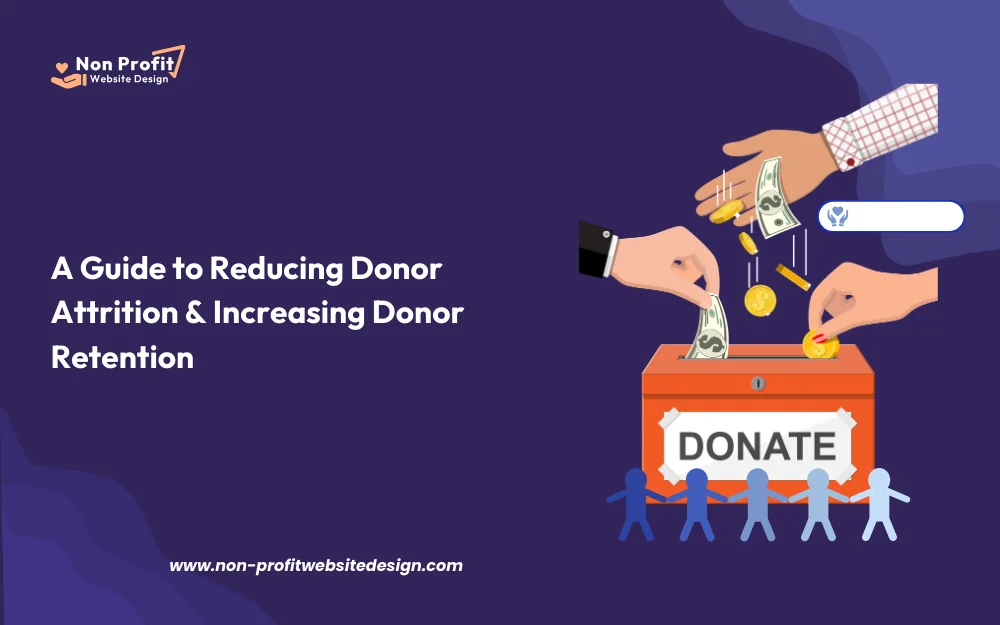
In the nonprofit sector, donor retention is crucial. Did you know it costs five times more to acquire a new donor than to keep an existing one? Many organizations face donor attrition, putting fundraising stability at risk.
By focusing on strong donor relationships and proven donor retention strategies, nonprofits can boost their donor retention rate, increase recurring donations, and strengthen their donor base. Donors who feel appreciated are much more likely to continue supporting your cause year after year. Reducing attrition isn’t just a metric—it’s key to sustaining your nonprofit’s mission and growth.
Understanding Donor Attrition
Donor attrition, also known as donor churn, occurs when donors cease giving to a nonprofit over time. Causes of donor attrition include lack of engagement, poor communication, generic appeals, or outdated donation forms. Lapsed donors represent missed opportunities for recurring gifts and long-term support.
For instance, donors who feel unnoticed or disengaged are more likely to stop giving. Consequently, tracking donor attrition rate and analyzing donor data helps nonprofits identify at-risk segments and tailor strategies to re-engage them. As a result, understanding attrition is essential to strengthen donor relationships, maintain a healthy donor base, and improve overall retention rates.
Why Donor Retention is Crucial
For nonprofit organizations, retaining donors is crucial to building an engaged and stable donor base. More donors retained implies more donors giving again, more sustained funding, and an overall increase in donor lifetime value.
Moreover, retaining your current donors is significantly less expensive than constantly investing in donor acquisition. It’s less labor-intensive for staff, more time-efficient, and engaged supporters are more likely to increase their gifts, upgrade to major donor status, and promote your efforts on your behalf.
Donor retention builds long-term relationships, helping your nonprofit maintain and grow its donor base year after year. Therefore, when you boost donor retention, you initiate the cycle of donor engagement and sustainable growth, with significantly reduced risk of donor attrition.
Key Metrics to Track
In order to assess success in lowering donor attrition, it is paramount for nonprofits to measure the appropriate data. Start by measuring your overall retention rate. Look at how many donors who gave last year versus how many donors gave again this year. This percentage indicates how your organization retains support year over year. If possible, track this to understand lifetime value, typical donor journeys, and donor behavior over time. This helps your nonprofit identify which donors are likely to stay engaged and which may need extra attention to encourage continued giving.
Causes of Donor Attrition
The first step to reducing donor attrition is to understand the reasons why donors stop providing funding. In many cases, small gaps in donor management, communication, or fundraising create disengagement opportunities. This is especially true during critical times, such as year-end campaigns, when practitioners view fundraising as ‘make it or break it.
Common causes of donor attrition include:
- Lack of Engagement: Donors may feel disconnected if communication is inconsistent or irrelevant, leading to disengagement over time.
- Weak Donor Management: Poor tracking of donor data and touchpoints makes it harder to maintain strong relationships.
- Failure to Show Impact: When donors don’t see how their gifts support your cause, they may not feel motivated to continue.
- Overemphasis on Fundraising Efforts: Constant appeals without genuine engagement can cause donors to feel like an ATM rather than a partner.
- Ineffective Year-end Strategy: Missing opportunities during year-end campaigns reduces retention and risks lapses in support.
- Poor Acknowledgment: Without a timely thank-you or donor appreciation, donors may assume their contribution wasn’t valued.
- Generic Communication: One-size-fits-all messaging diminishes donor connection and ignores individual interests or past giving patterns.
Proven Donor Retention Strategies
Donor retention doesn’t happen by chance—it requires focus, structure, and consistent action. Below are five proven strategies nonprofits can use to reduce donor attrition, improve retention, and build stronger donor relationships.
1. Segmenting Your Donor Base
Segmenting your donor base helps tailor campaigns to specific giving behaviors, making donors feel valued and engaged. Creating SEO-optimized landing pages and content for each segment also attracts new supporters searching for similar causes.
- Categorize donors based on their gift amount, frequency of giving, and level of engagement.
- Develop campaigns for each segment that align with their area of interest.
- Review donor data to identify repeat donors and opportunities for strategic growth.
- Create even more targeted appeals to encourage former donors to give again.
- Ensure every donor segment receives messages that feel relevant and authentic.
2. Improving Donor Communications
Clear, consistent, and personalized communication keeps donors engaged and appreciated. When donors feel acknowledged, they’re more likely to continue supporting your nonprofit year after year.
- Send thank-you emails or handwritten notes promptly to acknowledge contributions.
- Provide personal updates on projects via direct mail to keep donors informed.
- Share impact stories and optimize them for search with clear headings and metadata.
- Communicate regularly to stay connected and engaged with your donors.
- Limit donation appeals to avoid overwhelming supporters and build stronger relationships.
3. Leveraging Email Marketing
Email is one of the most effective retention tools—scalable, personal, and measurable. When integrated into your digital marketing strategy with retargeting ads, social campaigns, and optimized landing pages, it helps convert first-time donors into recurring supporters.
- Automate personalized thank-you emails and updates based on donor activity.
- Share impact stories and milestones that show how gifts are making a difference.
- Segment lists to send content that feels relevant to different donor groups.
- Use email journeys to guide first-time donors into becoming recurring givers.
- Track open and click rates to refine messaging and improve engagement.
4. Engaging Donors Through Social Media
Social media fosters an ongoing sense of community by connecting donors with your mission in real-time. It offers a platform for storytelling, recognition, and engagement that feels interactive.
- Post consistent updates that highlight donor-supported initiatives.
- Utilize live streams or Q&A sessions to engage supporters in the conversation.
- Create shareable content that encourages donors to advocate for your nonprofit.
- Highlight donor spotlights to recognize and appreciate contributions publicly.
- Engage directly through comments, polls, and replies to foster two-way dialogue.
5. Utilizing Direct Mail Campaigns
While digital channels dominate, direct mail offers a tangible and personal touch that strengthens donor loyalty. A letter or postcard often stands out more than an email in a crowded inbox.
- Send personalized thank-you letters that convey genuine and heartfelt sentiments.
- Use handwritten notes or signatures to create a personal connection.
- Include impact reports or updates that donors can hold onto and revisit.
- Design visually appealing mailers that reflect your nonprofit’s mission.
- Combine direct mail with digital follow-ups for a multi-channel experience.
6. Strengthening Donor Relationships
Building strong relationships beyond giving creates loyal donors who are more likely to stay involved. Recognition and meaningful engagement help make donors feel like true partners in your mission.
- Invite donors to events, webinars, or appreciation calls to strengthen their connection.
- Recognize major donors and highlight the impact of their major gift contributions.
- Encourage repeat donations by showing progress toward shared goals.
- Offer opportunities for donors to share feedback and stay involved.
- Keep donors engaged by demonstrating the long-term impact of their support.
7. Optimizing Donation Processes
Simplifying the giving experience removes barriers and encourages recurring support. A mobile-first, optimized website design with a streamlined donation flow helps donors give easily—shorten form fields, add one-click gifts, and test button placement for better conversions.
- Streamline donation forms to make the giving process fast, clear, and user-friendly.
- Offer recurring gift options to encourage consistent, long-term support from donors.
- Ensure donation forms are mobile-friendly so donors can give anytime, anywhere.
- Minimize steps and unnecessary fields to reduce friction and simplify the contribution process.
- Clearly demonstrate to donors how recurring gifts directly support your nonprofit’s mission.
8. Implementing a Donor Retention Plan
A formal donor retention plan guides nonprofits in keeping donors engaged and appreciated over time. Structured strategies help reduce churn and effectively improve donor retention rates.
- Set measurable objectives and benchmarks to track donor retention progress.
- Adjust tactics based on donor feedback and performance metrics to optimize results.
- Recognize donors’ contributions through personalized messages or updates.
- Regularly track and analyze donor retention rates to optimize donor engagement and retention.
- Emphasize donor retention as a core driver of your nonprofit’s long-term growth.
Conclusion
Ultimately, donor retention is crucial for a nonprofit’s long-term success. By tracking key metrics and focusing on donor engagement, you can strengthen connections, increase giving, and maintain ongoing support. In conclusion, proven strategies help reduce donor attrition and inspire donors to give year after year. Strong donor management and thoughtful fundraising efforts ensure donors feel valued and connected to your nonprofit’s mission, making them more likely to continue supporting your cause.
Take Action Today
Donor retention is crucial to your nonprofit’s success. Apply proven strategies to reduce attrition, boost donor retention, and keep donors engaged year after year.